
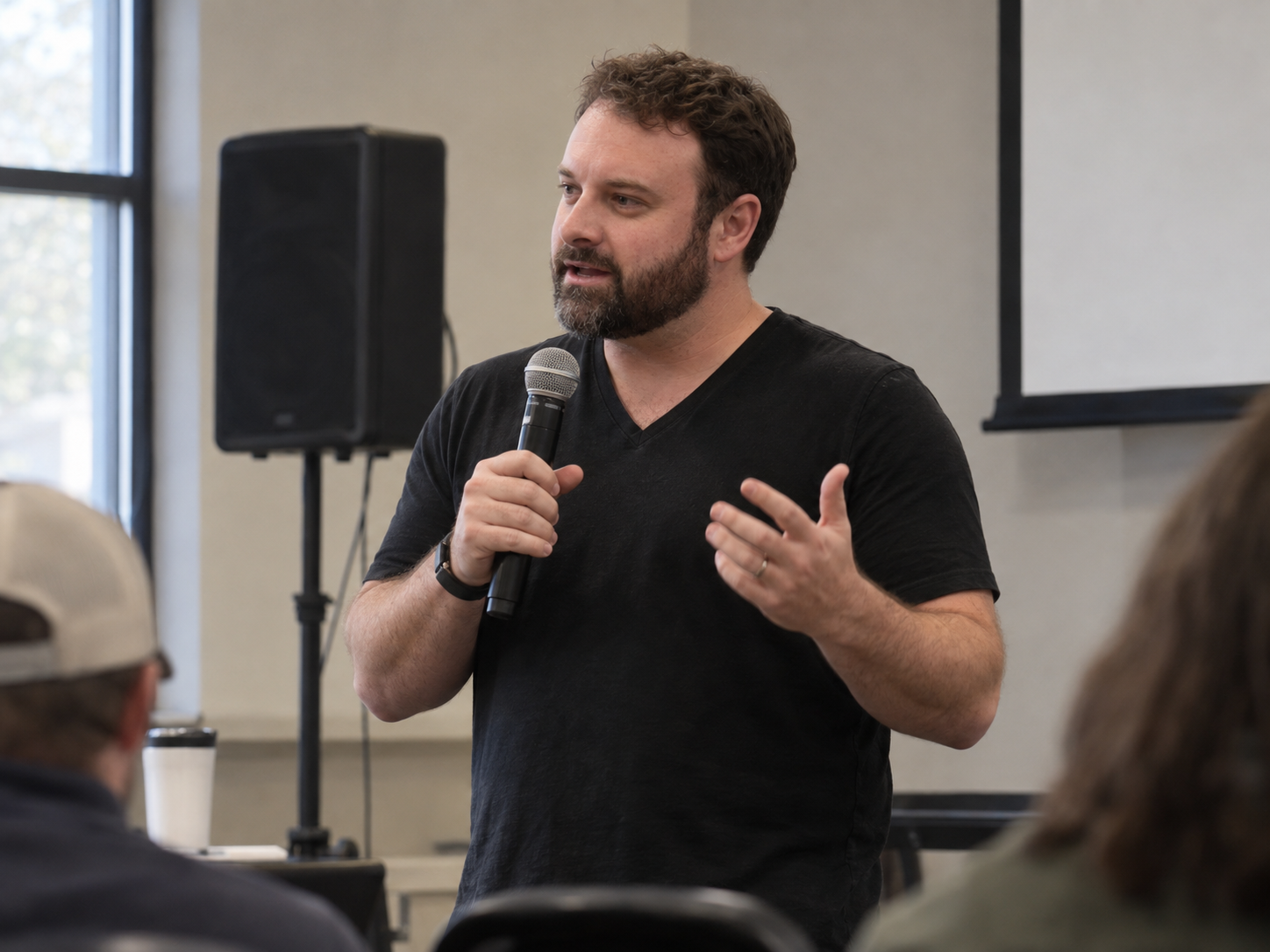
Big money moved through polished rooms while ordinary households inherited the risk.
The short version
Anthropic’s planned public offering and enormous debt deal show how quickly AI excitement can turn into financial exposure for regular investors.
Washington’s aluminum tariff raises costs for American industry while private equity prepares to push another debt burden toward workers and creditors.
Romance fraud proves that loneliness belongs in every serious conversation about household security.
Wall Street found another altar
The screens flashed green after Anthropic filed paperwork for a public offering expected next month. Somewhere in Manhattan, grown men probably stared at charts with the reverence usually reserved for stained glass. The Claude provider also sits beside a $63 billion debt deal for AI infrastructure, reportedly the largest financing of its kind. I still struggle to persuade my printer that it exists, so forgive me if I hesitate before declaring machine intelligence the final triumph of mankind.
For a working man, the public offering matters even if he never buys an individual share. His retirement funds may eventually own it, his employer may purchase its services, and his industry may borrow heavily to imitate the companies surrounding it. A fashionable technology can enter a household through pension allocations, corporate spending, layoffs, and higher power demand. Wall Street gets several doors into your life before anyone asks whether the underlying business can reliably carry its obligations.
The conventional reading celebrates access to a promising company. The harder reading sees a transfer mechanism, with early owners gaining liquidity while public investors accept a young company’s uncertainty. Anthropic may build something extraordinary. It may also discover that grand claims about humanity do little work when interest, construction bills, and shareholder expectations arrive together. A man should separate admiration for the tool from confidence in the price, because Wall Street makes a handsome living blurring those two judgments.
Washington made aluminum expensive on purpose
A coil of aluminum reaches an American factory with a thicker price attached because Washington placed a 50% tariff on Canadian supply. Quebec smelters use cheap hydroelectric power, and American industry needs what they produce. The tariff revealed that dependence by raising domestic costs. Politicians can stand behind a lectern and call the policy strength, while the purchasing manager hears the actual sound: another supplier explaining why the quote just climbed.
The working man meets that tariff far from the border. It reaches the plant considering overtime, the contractor pricing materials, the manufacturer deciding whether a domestic expansion still works, and the customer replacing an appliance. Every added cost competes with wages, maintenance, hiring, and investment. The tariff may carry a patriotic label, yet the invoice remains stubbornly American. A flag on the announcement cannot lower the amount due on the purchase order.
This is industrial self-harm dressed for a campaign rally. A serious trade policy would identify the capacity America lacks, the years required to build it, and the consequences of taxing supply before replacement exists. Instead, government created pain and presented the pain as proof of resolve. Anger belongs here because workers become stage furniture whenever officials claim to defend their jobs while making their employers less competitive. Good intentions deserve an audit once they reach payroll.
The debt wall has office badges
A $300 billion wall of private-equity-backed debt is waiting in 2028 and 2029. Software companies account for about a third of the risky corporate loans coming due in those years. The phrase debt wall sounds distant and architectural, like something a consultant can point toward with a laser. Inside the companies, it looks like fluorescent lights, renewal targets, sales calls, and employees wondering why every expense suddenly requires three approvals.
Debt rarely introduces itself to workers with a formal announcement. It appears through frozen hiring, thinner support teams, delayed equipment, harsher quotas, and managers ordered to find savings inside already strained departments. Refinancing can keep a sound company moving, though higher costs leave less room for error. Employees have no seat in the financing meeting, yet their jobs often become the easiest asset to cut when lenders demand a cleaner set of numbers.
The standard account treats this as a creditor problem scheduled several years away. A working man should read it as an employment risk already taking shape. He is effectively an unsecured stakeholder whose family depends on the company while others hold contracts, collateral, and legal priority. He should watch customer retention, leadership turnover, repeated cost cuts, and strange urgency around cash. Loyalty remains honorable, though loyalty never required surrendering the duty to prepare.
China’s profit surge deserves a flashlight
China’s industrial profits rose 14.4% from a year earlier in September, helped by electronics and high-tech manufacturing tied to AI and digital infrastructure. Factory floors, circuit boards, server components, and government ambitions are moving in the same direction. That number will tempt some observers to announce a broad economic revival. One strong month can carry plenty of headlines, especially when everyone involved wants the machinery to sound healthier than it feels.
For an American working man, the important issue reaches beyond a distant profit report. China is converting AI demand into manufacturing gains while much of the American conversation remains fixed on software valuations and chatbot tricks. The country that builds the physical equipment gains skills, suppliers, tooling, and bargaining power alongside profit. A nation can lead the demonstration on a glowing screen while another nation strengthens the factories underneath it.
The conventional reading asks whether Chinese growth is returning. The sharper question asks which industrial capabilities are being strengthened while capital rushes toward AI. Profit concentrated in electronics and high-tech manufacturing says more than a broad confidence survey ever could. America needs invention, capital, power, skilled trades, and domestic production working together. Celebrating a stock rally while surrendering another layer of industrial capacity would qualify as a very expensive form of applause.
The tax code knows who owns the ladder
A strategy called buy, borrow and die has grown into a $5 trillion market in stock-based loans for billionaires and people a few rungs below them. Appreciated shares remain in place while loans provide spending money against the value. The title sounds like a retirement plan written by a man wearing sunglasses indoors. Its real power comes from access to valuable assets, favorable credit, and tax rules that treat borrowing differently from selling.
A working man usually borrows against a house, a vehicle, or his next several paychecks. Wealthy borrowers can pledge rising securities and preserve ownership while accessing cash. Both transactions involve debt, though the terms and strategic options occupy different planets. This does not make every stock-based loan corrupt. It does reveal how ownership creates flexibility that wages alone rarely provide, especially when the tax system rewards patience backed by abundant collateral.
The usual debate turns immediately toward envy or defense of success. That argument misses the useful lesson. A man should see that income and ownership receive different treatment, then build assets carefully without pretending he can copy a billionaire’s leverage. Borrowing against volatile holdings can become dangerous when prices fall or lenders demand more collateral. The ladder exists, and some men begin near the top. Wisdom still requires knowing which rung can hold your household.
Loneliness can sign financial papers
A Texas man believed he had found love online and eventually became an unwitting money mule for an international criminal operation. The fraud moved through affection before it moved through accounts. A message arrived, trust grew, and financial requests entered a relationship the victim wanted to believe was real. By the end, he understood that the connection had changed. The quiet tragedy sits in how human hope became the criminal’s access credential.
Men often receive warnings about suspicious links, strange transfers, and unknown callers. Those warnings matter, though the deeper vulnerability may be an empty room and a phone that suddenly offers attention. Isolation can weaken financial judgment without weakening intelligence. A lonely man may recognize inconsistencies and keep moving because admitting the fraud would also mean losing the relationship. Household security therefore includes friendships strong enough to hear embarrassing details before money starts traveling.
Mockery has no place near the victim. Skilled fraudsters study emotional needs, create urgency, and use shame to keep a target silent. The uncomfortable point belongs to every man who assumes competence makes him immune. Strength includes telling a trusted brother when a new online relationship asks for money, secrecy, account access, or transfers on someone else’s behalf. Fraud grows in private. Honest companionship can interrupt it before law enforcement enters the story.
Faith. Finance. Focus.
Strong Men. Strong Homes. Strong Businesses.
Discover More: mrwhatley.com
All My Links: mrwhatley.com/connect
Ready to Be a Better Man? mrwhatley.com/check-in
Free Course: mrwhatley.com/free